Elena Lange · 10 September 2026
The Interplay Between Domain Registrar Switches and Organic Traffic Fluctuations in Specialized Portals
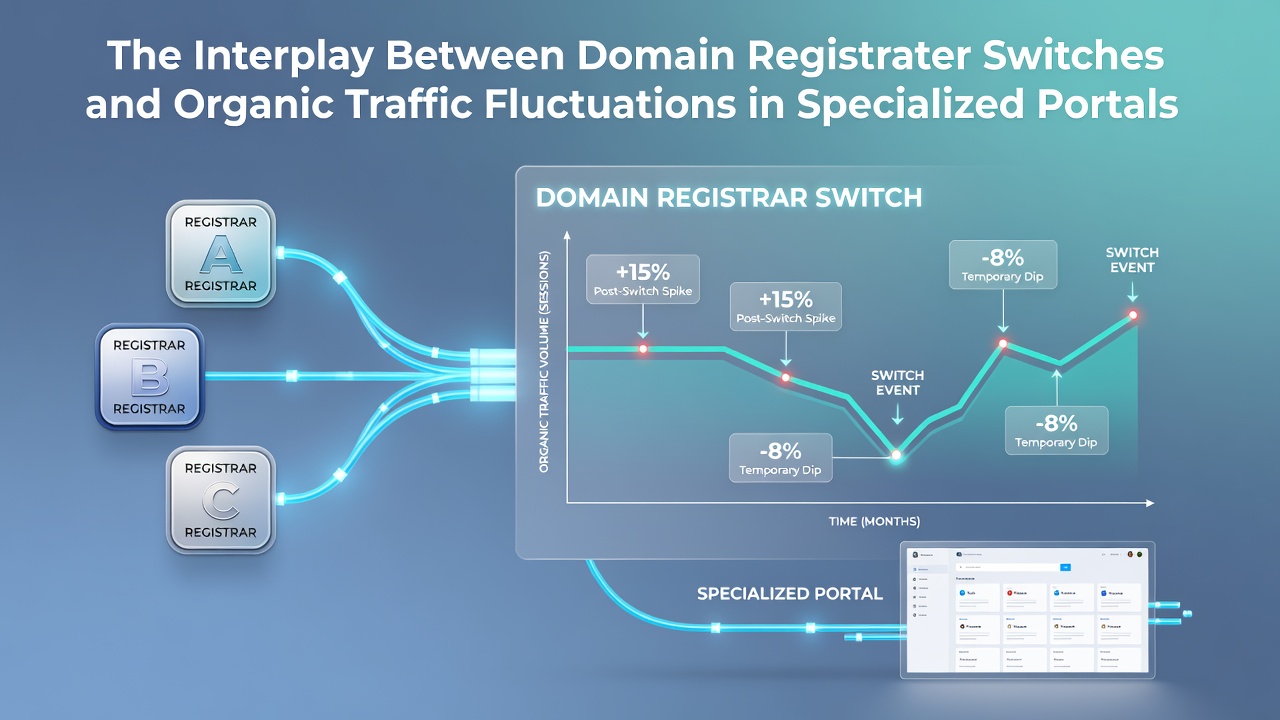
Specialized portals often experience shifts in organic traffic following a domain registrar switch because these changes can alter DNS propagation times, SSL certificate configurations, and indexing signals that search engines rely on for ranking decisions, while data from multiple industry reports shows that even brief disruptions in these areas lead to measurable dips in visibility for sites focused on narrow topics such as technical documentation or regional services.
Technical Mechanisms Behind Registrar Transitions
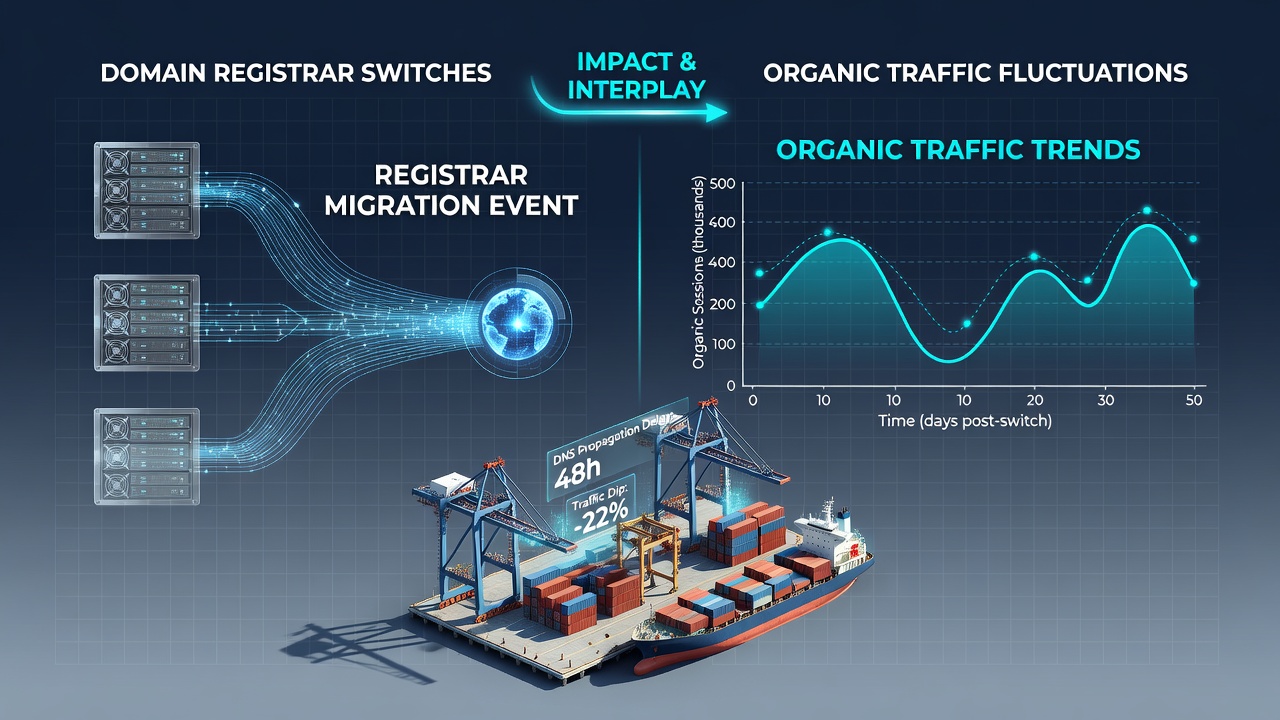
When administrators initiate a transfer to a new registrar, the process involves updating nameserver records and authorization codes that must align precisely with registry requirements, and observers note that delays during this period sometimes extend beyond the standard five-day window because of verification steps required by the gaining registrar, which in turn affects how quickly crawlers can access updated site information and how search algorithms interpret site authority signals. Studies indicate that incomplete propagation leaves some regional DNS resolvers pointing to old records for hours or days, creating temporary inconsistencies that specialized portals with geographically targeted audiences feel more acutely than general content sites.
Patterns in Traffic Data Following Switches
Analytics platforms tracking organic sessions reveal that fluctuations commonly appear within the first two weeks after a registrar move, yet recovery timelines vary depending on whether the new provider maintains identical TTL settings and whether any redirects were pre-configured to preserve crawl paths; figures from monitoring services show average traffic drops ranging between eight and twenty-two percent during this window for portals in sectors like legal resources and scientific databases, while sites that complete the switch without altering A records or introducing canonical mismatches tend to stabilize faster. Researchers have documented cases where portals handling time-sensitive content lost indexing for key landing pages when certificate mismatches triggered browser warnings that indirectly influenced user engagement metrics.
Contributing Variables Across Different Portal Types
Portal operators managing high-volume directories or subscription-based knowledge bases report that the interplay becomes more pronounced when the domain carries historical backlinks from academic institutions or government domains, because any interruption in crawl frequency allows competitors to gain ground on shared keywords, and evidence suggests that the effect compounds in verticals where freshness signals carry heavier weight in ranking algorithms. Those who have examined server logs after such transitions note that increased 5xx errors during propagation windows correlate with longer recovery periods, whereas portals using CDN configurations that cache aggressively often see muted impacts because edge servers continue serving content while nameserver updates propagate globally.
Additional factors include the choice of new registrar's infrastructure location and whether the provider supports advanced DNS features such as anycast routing, both of which influence latency for international visitors and therefore affect dwell time metrics that search engines incorporate into quality assessments.
Documented Cases and Monitoring Approaches
One documented instance involved a specialized medical reference portal that completed a registrar transfer in early 2025 and observed a fourteen-day period of reduced impressions for procedure-related queries before metrics returned to baseline, while a parallel case with a regional regulatory information site showed quicker stabilization after the team verified all DNSSEC records remained intact throughout the process. Monitoring teams recommend tracking changes through multiple tools simultaneously, including server-side logs and third-party crawlers, because these combined datasets help isolate whether fluctuations stem from registrar-related technical issues or from unrelated algorithm updates occurring around the same timeframe.
Developments Observed in September 2026
Reports compiled during September 2026 highlighted that several registrars introduced streamlined bulk transfer protocols that reduced average propagation times by up to thirty percent for enterprise accounts, and data shared by organizations tracking global domain activity indicated fewer prolonged traffic dips among specialized portals that adopted these updated procedures, although portals using smaller regional registrars continued to encounter variable results tied to differing support for automated verification. According to ICANN documentation on transfer policies, the emphasis on consistent authorization mechanisms has contributed to these efficiency gains across multiple regions.
Conclusion
The relationship between registrar switches and organic traffic in specialized portals rests on precise execution of technical steps that preserve crawl accessibility and signaling continuity, and available records show that careful coordination of DNS settings, certificate management, and pre-switch testing minimizes the duration and severity of any resulting fluctuations while portals that overlook these details encounter extended recovery phases that affect visibility metrics. Ongoing refinements in registrar infrastructure, including those noted in September 2026, continue to shape how such transitions unfold across different types of niche online resources.